Built from failures I reviewed every day
Three years as a Senior Compliance Specialist at a regulated fintech company, reviewing identity documents daily. The same failures kept repeating: blurry photos, cropped edges, glare hiding key fields, confusion over what format to send.
The process was slow, and customers often didn't understand what was being asked, or why, for something this sensitive. Some gave up entirely.
On our end: staff typed in every document's data by hand, slow, and an easy place for mistakes.
The documents kept failing. Not because customers didn't cooperate, because no one told them how.
What the industry already knows
Guidance before failure, not after
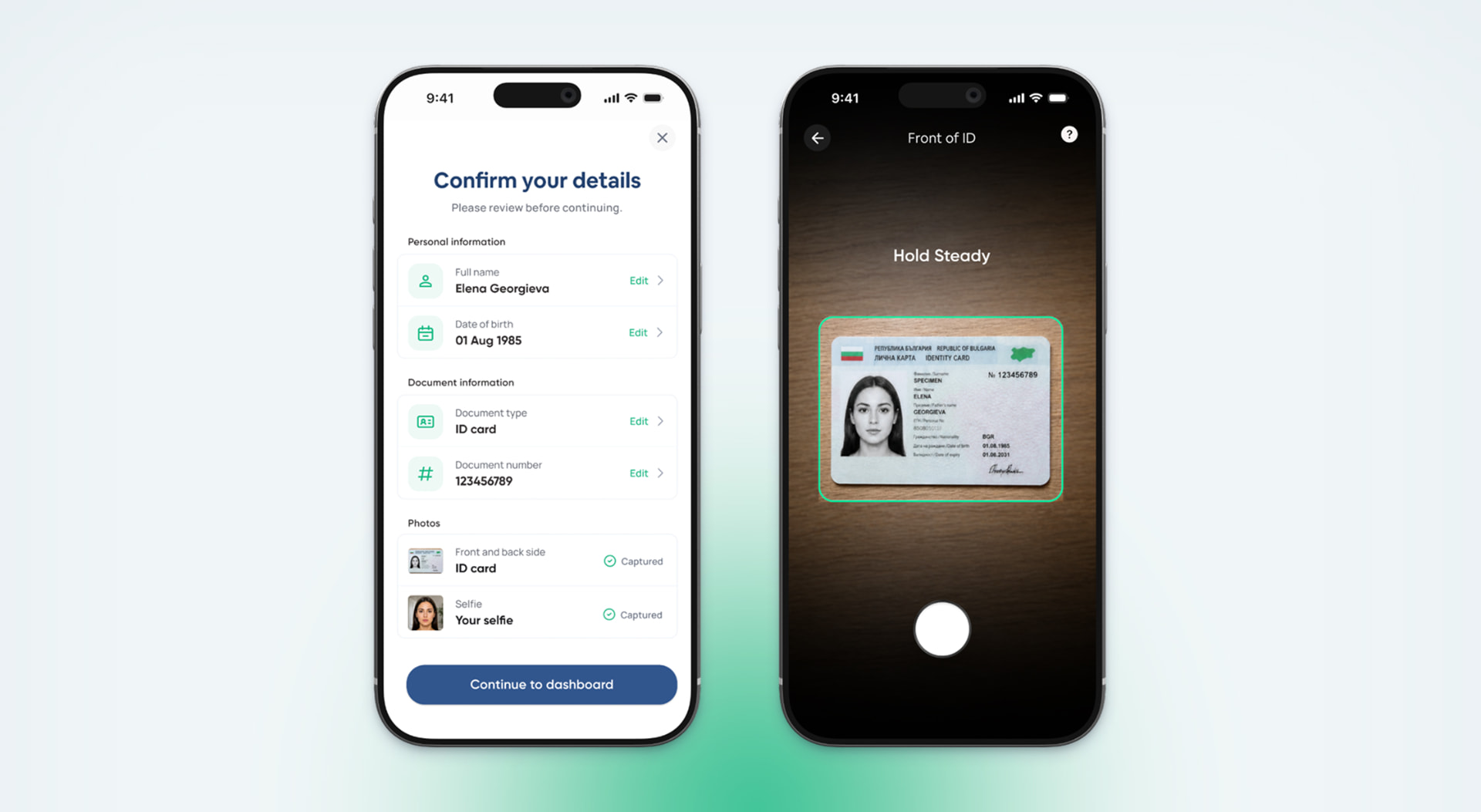
Real-time capture guidance
Live camera guidance (Hold Steady, Avoid Glare) replaces blind upload, catching blur, glare, and cropping at the moment of capture, not after submission.
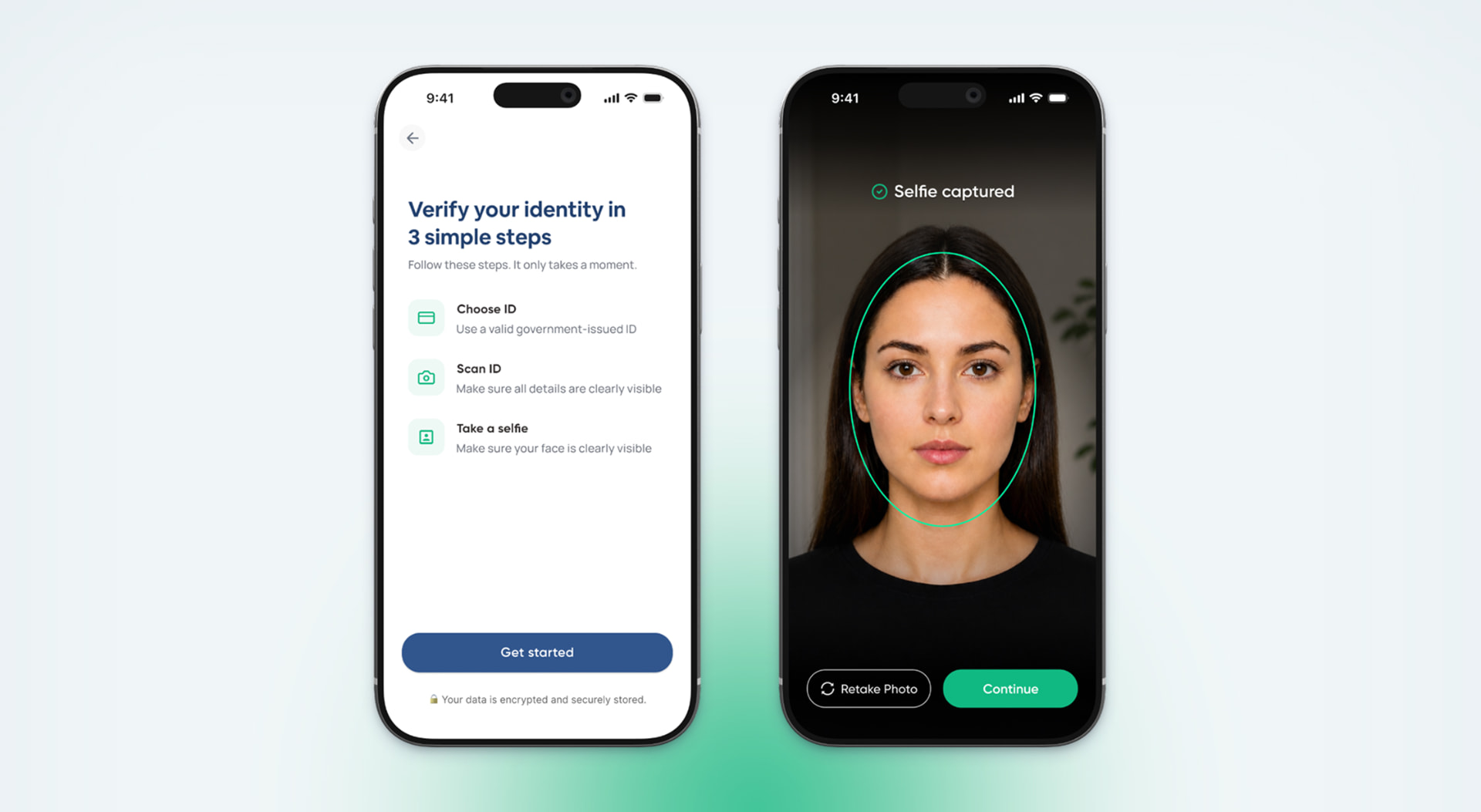
Tell people what's needed, and why
Instruction screens before each capture step set expectations clearly, addressing the confusion and trust anxiety that drives abandonment.
One quick review, instead of manual entry
Extracted data is shown for the user to confirm or edit, replacing the slow, error-prone manual entry step from the original process.
Built from the inside of the problem
Most KYC case studies are designed from the outside, guessing at why documents fail. This one started from three years of seeing exactly why, and for whom.
A natural next step: a real-time document quality score, informed by direct experience with automated verification tools, giving users specific feedback instead of a binary pass or fail.
Trust isn't built by asking for less. It's built by explaining more.